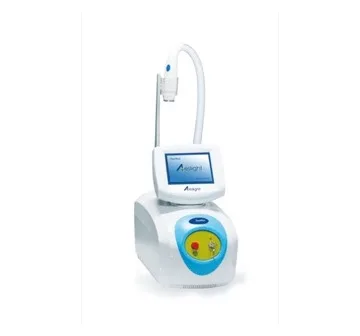
RF Skin Tightening
A non-laser energy family for buyers comparing thermal skin platforms.
- Energy source
- Radio frequency
- Quotation status
- RF platform
Platform overview
Place the platform in the right comparison set.
RF belongs in a different comparison set from laser and light systems. Ask for the exact energy delivery, handpiece configuration, treatment modes and consumables for the model under consideration.
Buyer goals
Where this family belongs.
- Non-laser skin menu
- Thermal platform comparison
- Multi-technology clinic
Quote checklist
What to verify model by model.
- 01Energy delivery method
- 02Handpiece configuration
- 03Treatment modes
- 04Consumables and accessories
Buyer guide
RF is an energy category, not one machine design
Radio frequency equipment delivers electrical energy rather than laser or broad-spectrum light. Depending on the architecture, energy may pass between electrodes or return through a separate path. That difference affects handpiece design, contact, operator technique and the questions you should ask. A generic ‘RF’ label is therefore not enough for comparison.
Define whether you are evaluating facial skin workflows, body workflows or a combined menu. Then ask how the offered platform delivers energy, which handpieces are included and whether any tips or treatment parts are consumable. Keep microneedle RF, surface RF and other architectures in separate comparison sets unless the device documentation clearly explains them.
Buyer guide
Thermal control is the centre of the workflow
RF systems are commonly discussed through controlled tissue heating, but the operator still needs a reliable way to maintain contact, movement and feedback. Ask what the interface displays, whether temperature is measured, where it is measured and what stops or alerts operate outside the expected condition. A marketing statement about comfort does not answer those questions.
Request an unedited demonstration covering preparation, coupling medium if required, handpiece movement, cleaning and shutdown. Look for cable strain, electrode condition and the practicality of switching between applicators. If the workflow depends on single-use tips or pads, confirm their approved source, pack quantity and cost.
Buyer guide
Compare RF with the alternative your clients will notice
For a skin programme, the real alternative may be fractional CO₂, another non-ablative energy platform or no new device at all. Compare recovery expectations, operator qualifications, appointment length, consumable burden and the claims you can lawfully make. Published trials on specific monopolar RF devices offer useful context, but they do not prove that every RF platform produces the same outcome.
For body programmes, RF may sit beside controlled cooling or ultrasound-based systems. They use different mechanisms and create different room workflows. Decide whether you need one dedicated service or a programme made from several modalities, then ask for a quote that reflects the actual handpieces and consumables required.
Buyer guide
Ask for the electrical and service details
A useful quotation identifies energy-delivery architecture, handpieces, treatment modes, feedback or temperature features, consumables, electrical requirements, training and service. Ask how output is checked during maintenance and which faults can be diagnosed remotely. Confirm cleaning materials and replacement schedules before assuming the handpieces are maintenance-free.
RF values from older or different designs must not be copied into a current protocol. Use general technical material to frame questions, then rely on the manual and training for the exact Pmise configuration delivered.
Limits and safeguards
Know what the platform cannot decide for you.
- Evidence from one RF architecture cannot be transferred automatically to another.
- Temperature claims must specify where and how measurement occurs.
- Consumable tips, pads or coupling materials may affect ongoing cost.
- RF suitability and settings require model-specific training and professional assessment.
Related decisions
Continue through the treatment map.
- Skin Resurfacing — Map resurfacing goals to 10600nm fractional CO₂ and related non-laser comparisons.
- Multi-treatment Menu — Compare configurable light, RF and selected laser families around the services you intend to offer.
- Body Programmes — Compare cooling, RF and other non-laser energy families by workflow and configuration.
Frequently asked questions
FAQIs RF a laser treatment?
No. RF uses electrical energy and should be compared separately from laser and IPL systems. The handpiece architecture, electrode arrangement and feedback controls define the practical workflow.
What should I ask about temperature control?
Ask whether temperature is measured, where the sensor is located, what the operator sees and which alerts or stops are available. Do not infer closed-loop control from a general statement about heating.
Can one RF platform cover face and body services?
Some configurations may offer several handpieces, but that must be verified. Confirm each included applicator, its intended workflow, cleaning method, consumables and training rather than relying on a combined-menu headline.
Evidence trail
Published research used in this guide
These papers support the technology context. They do not replace the current manual, training or documentation for the exact equipment named in a quotation.
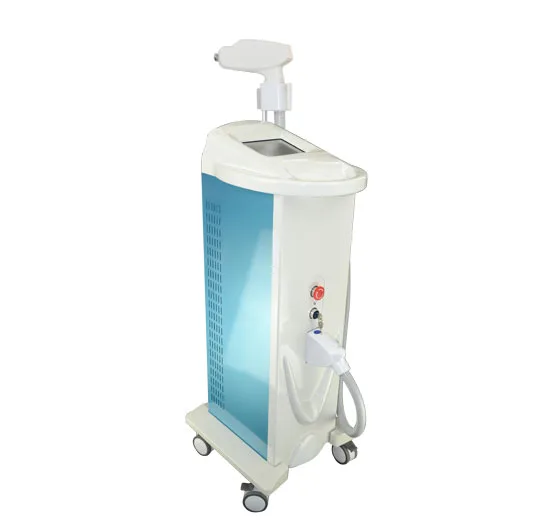
808nm Diode Laser
A single-wavelength platform documented for professional hair-reduction workflows.
808nm↘02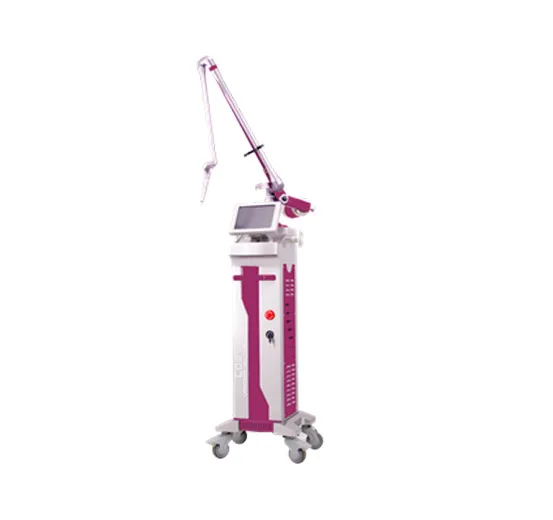
Fractional CO₂ Laser
A 10600nm fractional family with configurations for different professional workflows.
10600nm↘03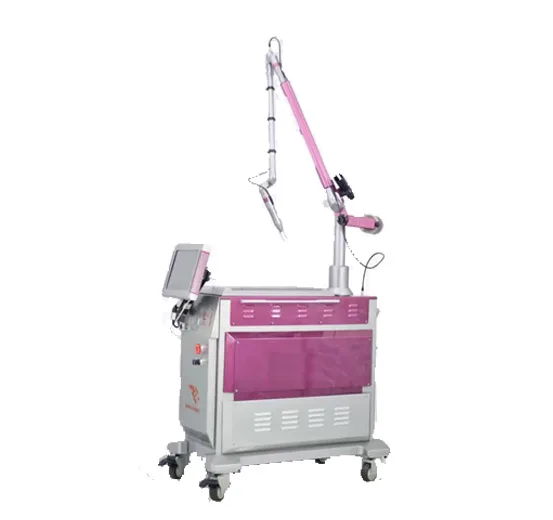
Q-switched Nd:YAG
A dual-wavelength family documented for professional pigment and tattoo workflows.
1064 + 532nm↘Next step
Discuss the right RF Skin Tightening configuration.
Tell us your priority services, market, client mix and business type. Ask for the exact configuration, documents, training and service terms you need.
Describe your equipment plan ↘