Treatment goal / Body
Body Programmes
Compare cooling, RF and other non-laser energy families by workflow and configuration.
Decision frame
Define the workflow before the equipment.
Body-programme equipment should be compared by energy approach, applicator or handpiece configuration, treatment workflow and ongoing consumables—not by a single headline specification.
Shortlist questions
Four answers that improve a quotation.
- 01
Cooling, RF or a combined programme?
- 02
Which applicators or handpieces are needed?
- 03
What session workflow fits the business?
- 04
Which accessories and consumables need confirmation?
Decision guide
The short answer: choose a mechanism and a measurable goal
For a localized body-contouring workflow, place cryolipolysis in the controlled-cooling branch. For a thermal skin or body programme, compare the relevant RF architecture. A combined commercial programme may use both, but they do not produce the same tissue interaction and should not be sold as interchangeable ways to ‘lose weight.’
Define the area, client profile and change you intend to document. Then build consultation, photography or measurement, follow-up and escalation around that goal. A body platform is not a substitute for diagnosis, medical care or weight management. If the marketing plan depends on that confusion, change the plan before buying equipment.
Decision guide
What controlled cooling adds
Cryolipolysis platforms are built around applicator fit, controlled cooling, contact or vacuum, session management and protective materials. Published studies report changes in localized adipose measurements, but methods and outcomes vary. Rare adverse events are also documented in the broader evidence base. That means expectation-setting and follow-up are operational requirements, not fine print.
Compare applicator sizes and shapes against the areas your service intends to cover. Ask which applicators are included, whether they can operate simultaneously, how contact is monitored, what alerts are present and how the system releases after an interruption. Verify consumables and cleaning for the exact model.
Decision guide
What RF adds
RF uses electrical energy and may be configured with different electrode arrangements and handpieces. Ask whether the offered platform is monopolar, bipolar, multipolar or another defined architecture. Confirm contact requirements, displayed feedback, any temperature measurement, cleaning and single-use parts. Do not transfer evidence from one RF type to another.
In a body programme, RF may be positioned around thermal workflows and paired commercially with other services. The business still needs to define what it can lawfully claim and how progress is reviewed. A statement that the equipment ‘heats tissue’ does not establish a universal result, safe setting or suitable client.
Decision guide
Design the client journey before the room
Write the journey from inquiry to follow-up: screening, expectation-setting, baseline record, consent, preparation, treatment, aftercare and review. Identify who can assess contraindications and who receives an escalation if the client reports an unexpected change. Confirm local requirements for the equipment and operator.
Body services attract exaggerated claims. Use precise language about the documented treatment category and avoid guaranteed centimetres, universal before-and-after results or weight-loss promises. Consistent measurement and photography are more credible than dramatic examples captured under different posture or lighting.
Decision guide
Test applicators and handpieces in a real workflow
For cryolipolysis, observe placement, seal or contact, vacuum if present, consumable installation, alerts, emergency release, cleaning and interruption recovery. Check the cable and hose reach around the treatment bed. Ask whether the demonstrated applicator package is exactly what the quote includes.
For RF, observe coupling, movement, electrode contact, feedback, cable handling, handpiece switching and cleaning. Ask where any displayed temperature comes from and what response the system makes when contact is poor. A short staged demo may hide the ergonomic issues that appear during a full appointment, so request a realistic sequence.
Decision guide
Model the economics without promised outcomes
Estimate appointment time, operator involvement, room occupancy, protective membranes or other consumables, laundry and cleaning, follow-up and expected maintenance. Add replacement applicators or handpieces and freight. Calculate scenarios at conservative booking levels rather than treating maximum appointment capacity as guaranteed demand.
Ask the supplier for the exact model, applicators or handpieces, control features, electrical version, startup consumables, manual, training, warranty, service route and current destination-market documents. Parameters from a different or older design must not be copied into a current protocol or invoice.
Procurement checklist
Questions to put in writing.
- Define localized contouring and thermal body goals separately
- Create screening, consent, measurement, follow-up and escalation steps
- Verify every cryolipolysis applicator, control, alert and consumable
- Verify RF architecture, handpieces, feedback and disposable parts
- Calculate realistic room time, staffing, consumables and service downtime
- Keep marketing claims within current evidence, documents and local rules
Candidate platforms
Open the product comparison.
- Cryolipolysis Fat Freezing Machine — Fat freezing machine buyer guide to cryolipolysis machines: a controlled-cooling equipment family for buyers planning a localized body-contouring workflow.
- RF Skin Tightening — A non-laser energy family for buyers comparing thermal skin platforms.
Frequently asked questions
FAQIs a body programme a weight-loss service?
No. Equipment in this map is compared for localized contouring or thermal body workflows. It should not be presented as a substitute for medical care, nutrition, activity or general weight management.
Should cryolipolysis and RF be bought together?
Only when demand, staff competence and the client journey justify both mechanisms. Start with the dominant service and add the second when it solves a real capacity or menu need.
Which recurring costs are easiest to miss?
Protective materials, liners, tips, coupling products, filters, applicator or handpiece replacement, freight and room downtime. Ask for a complete startup and replacement list for the exact configuration.
What evidence can the archive provide?
It can explain mechanisms, historical operation and questions to verify. It cannot establish current specifications, certification or safe settings for an offered Pmise model without matching current documents.
Evidence trail
Published research behind the comparison
This guide is educational material for equipment selection. It is not medical advice, an operating protocol or a promise of clinical outcome.
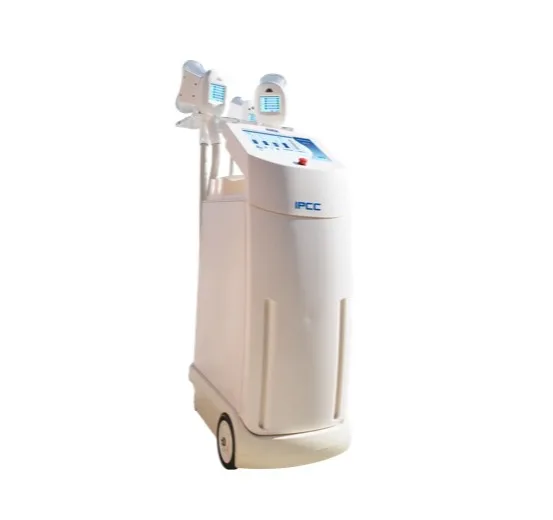
Cryolipolysis Fat Freezing Machine
Fat freezing machine buyer guide to cryolipolysis machines: a controlled-cooling equipment family for buyers planning a localized body-contouring workflow.
Controlled cooling↘05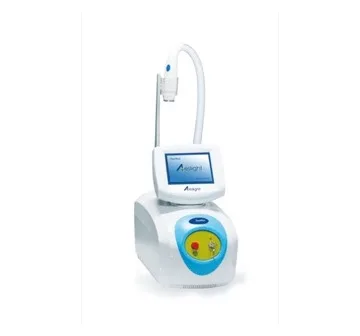
RF Skin Tightening
A non-laser energy family for buyers comparing thermal skin platforms.
Radio frequency↘Next step
Compare current configurations for a body programmes workflow.
Tell us your priority services, market, client mix and business type. Ask for the exact configuration, documents, training and service terms you need.
Describe your equipment plan ↘